These three weeks were mostly about Epoch 1's savanna and the animals that share it. The opening is new, the tribe can now hunt as a team, and the plains are home to several giants of the Pleistocene, some of which are far from harmless. Epoch 2 gained a lot as well, from wolves on the trail to burning villages.
A new start
A new Epoch 1 game now opens with a flight from space. Earth turns to East Africa, two million years ago, and the camera dives past the Rift Valley onto the savanna until it comes to rest beside the founder of your tribe.
Drive hunting
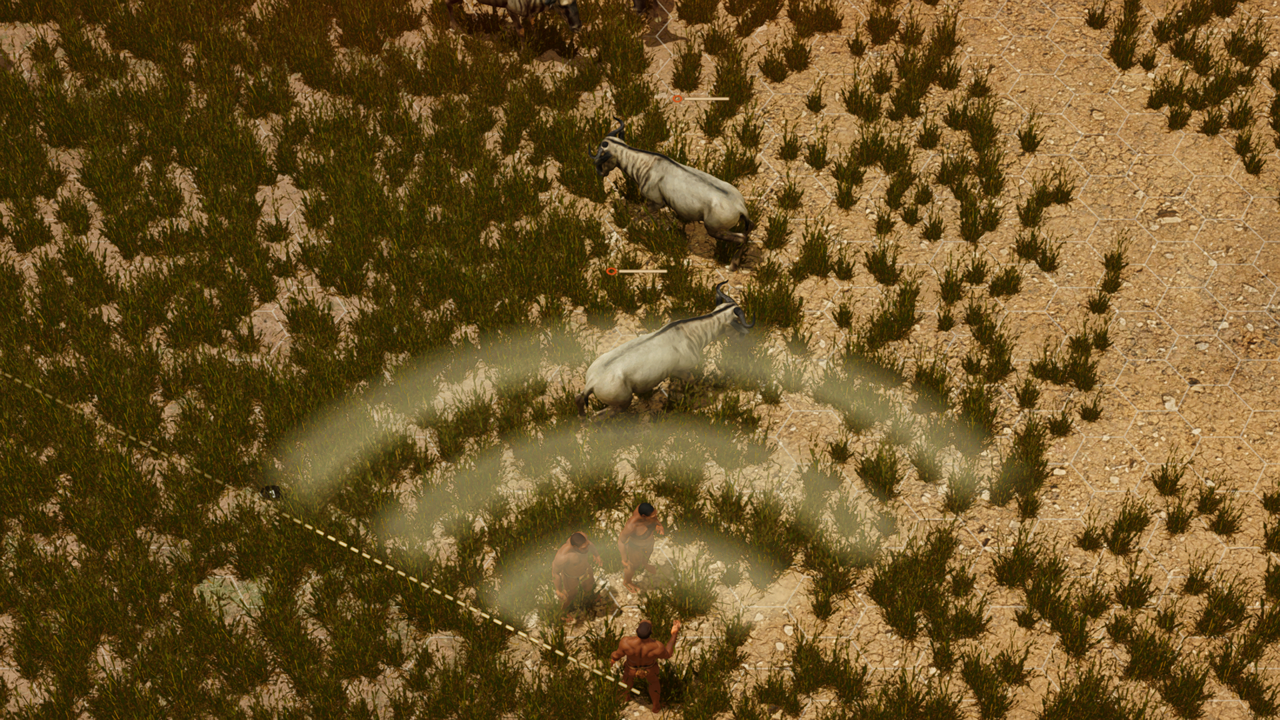
Big game is too fast to run down alone. Once the tribe has three hunters, they can work together: one hunter crouches and creeps through the tall grass, others lie in wait along the herd's path, and a shout at the end of the turn sends the animals running in a wide arc. A hunter lying in wait springs up as the herd passes and shouts it onward, towards the next one. The giant antelope and the giant pigs can both be driven this way.
Giants of the savanna
Four large animals joined or changed on the Epoch 1 plains:
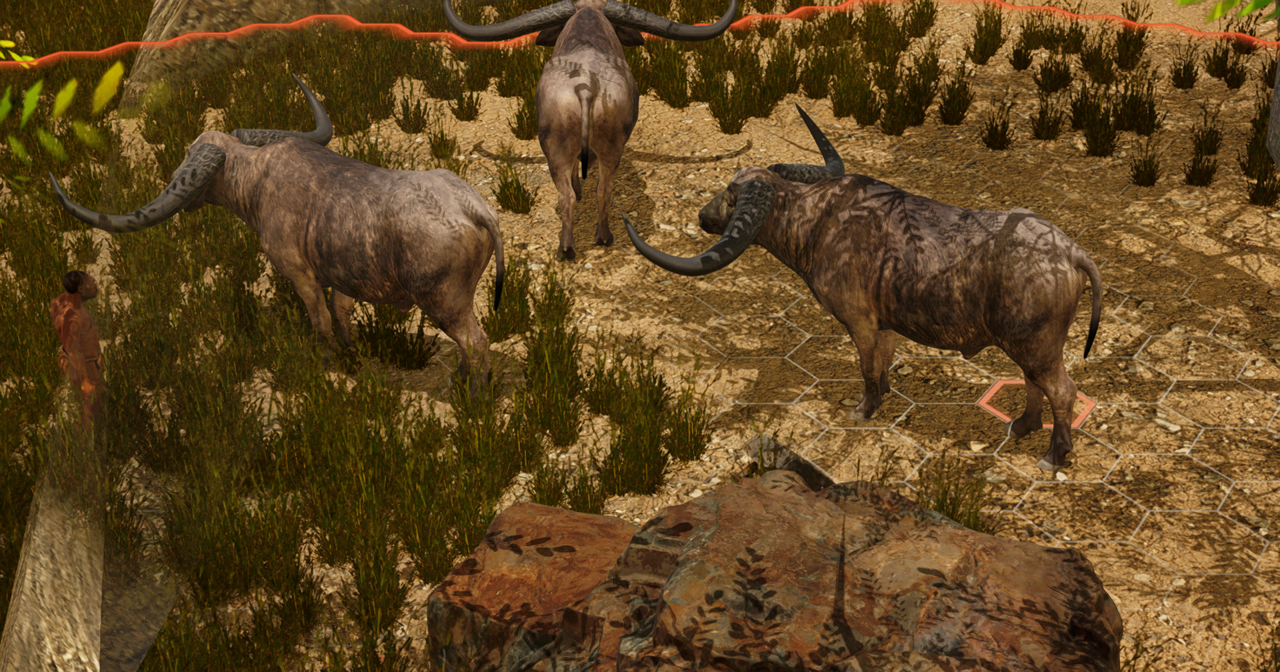
- Pelorovis, a giant buffalo with horns almost three metres across. Its herds have their own bellowing voices and charge when a hunter comes too close.
- Deinotherium, a relative of the elephant with tusks that curve downwards. It charges like the elephants do.
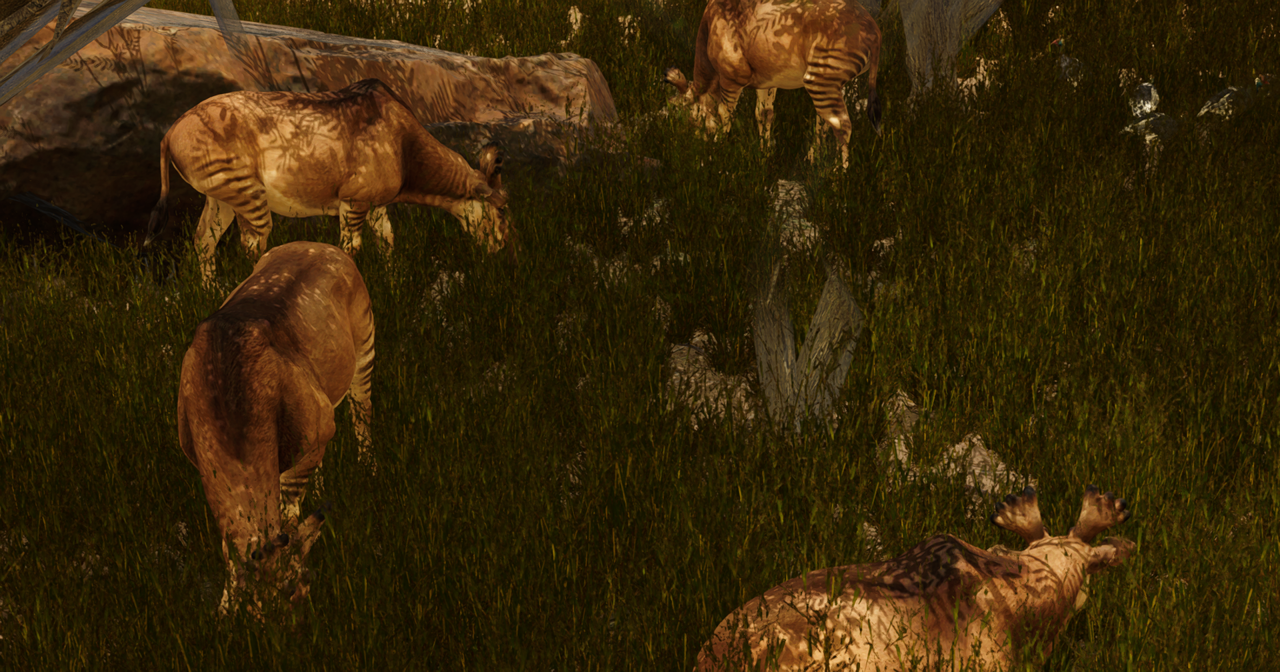
- Sivatherium, a heavy giraffe relative with short, broad horns on its head. It flees rather than fights.
- Megalotragus, the giant antelope, has a new look with long, sweeping horns.
Elephants, rhinos and their kin now show a red danger border around them. Step inside it and they will strike. The ground trembles under a moving elephant herd, and a charging herd takes up its warning call one animal after another.
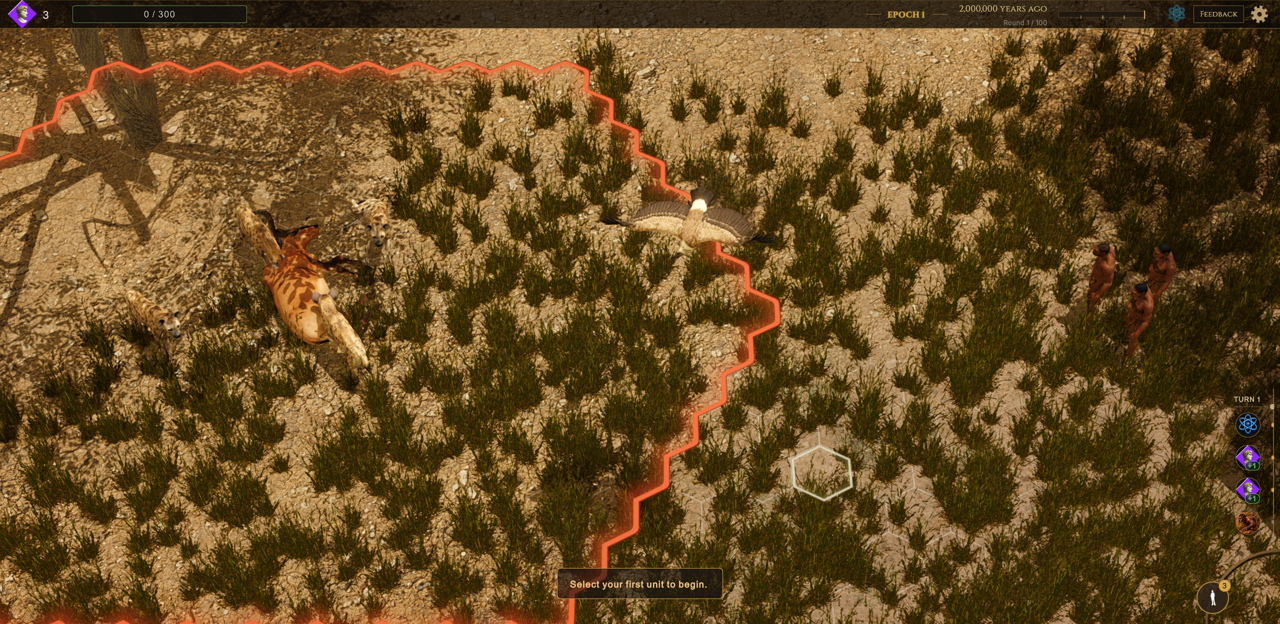
Kill sites have become more interesting too. Vultures circle above them and give their position away, but some are held by hyenas. Three members of the tribe shouting together are needed to drive them off.
Meeting Homo habilis
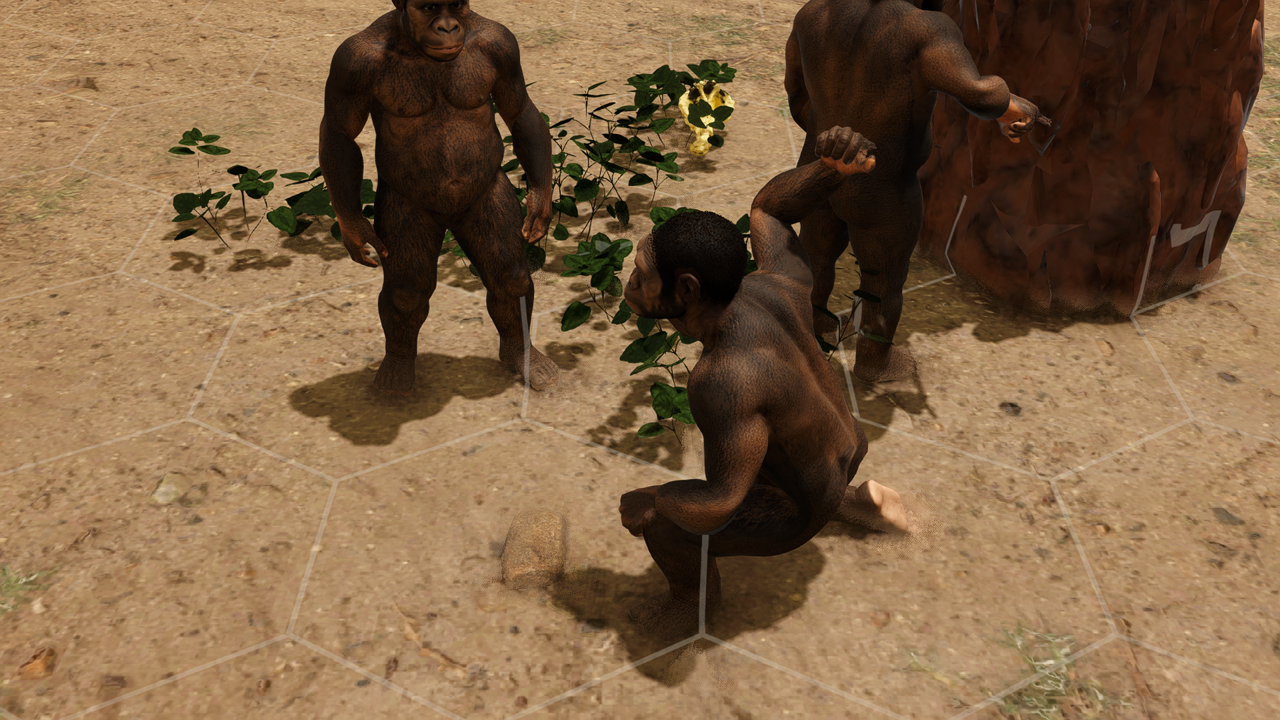
Once per game, your tribe now meets a band of Homo habilis, an older and smaller human species. The band is busy at its camp, knapping stones and fishing for termites, and it gathers the food around it, so it competes with your tribe for the same berries and roots. Offering it food can win a new member: a Homo habilis who joins your tribe, with skills of their own.
The tribe itself
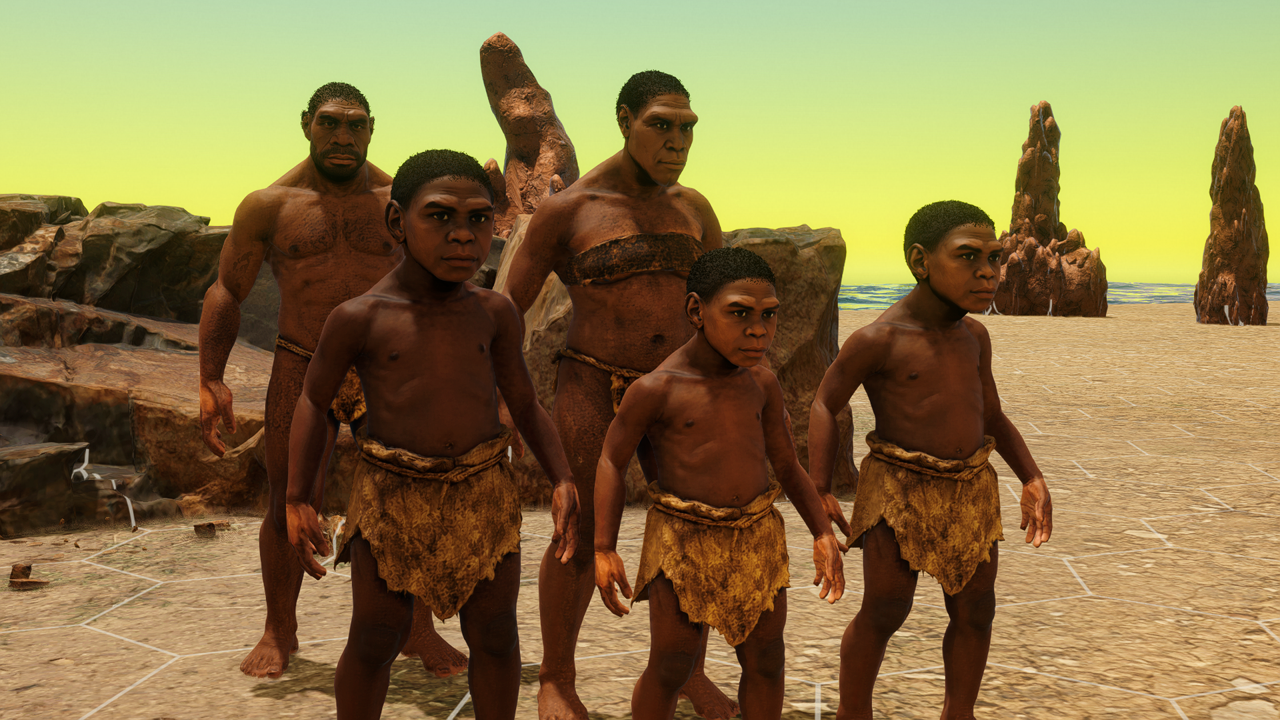
Homo erectus has new models for men, women and children. The children no longer look like copies of each other: each one has its own height, skin and hair tone.
The savanna around them has changed as well. There are many more acacias, with sticks lying under them, the ground is drier and rockier, termite mounds stand in clusters, and earthquakes now shake the land from time to time. Guineafowl can be caught by hand once the covey is tired, and a poked termite mound shows its holes until it recovers.
Epoch 2: dangers on the road
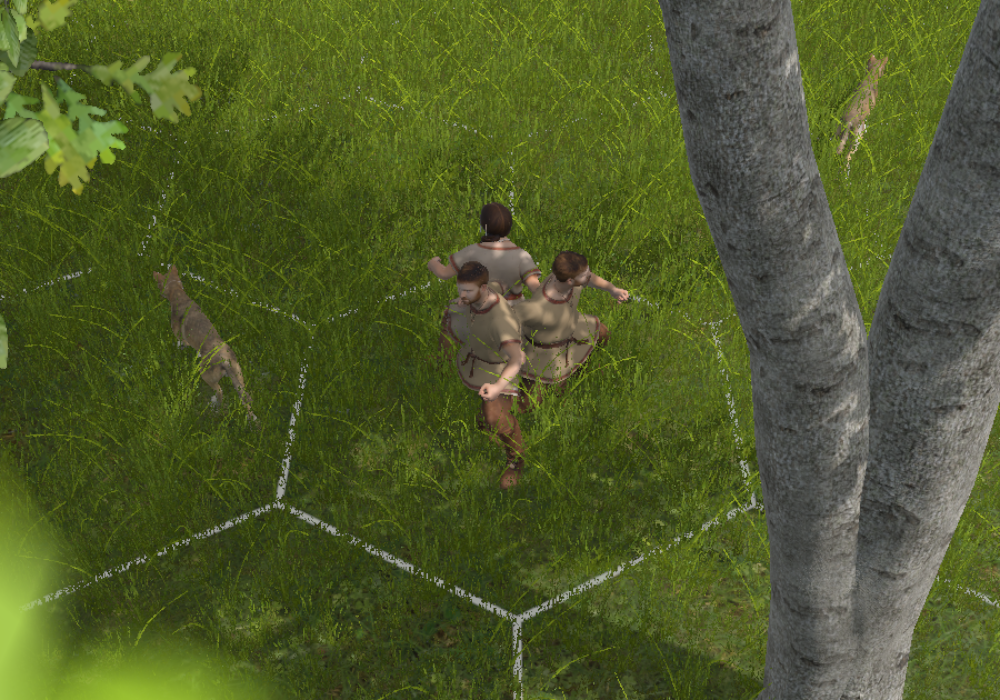
Villagers who travel far from home can now run into trouble along the way. Wolves may follow travellers through the forest, and the travellers have to decide whether to climb a tree or stand back to back. A crumbling slope, a swollen river or a stranger at a ford can each cost a traveller time or bring them unexpected help.
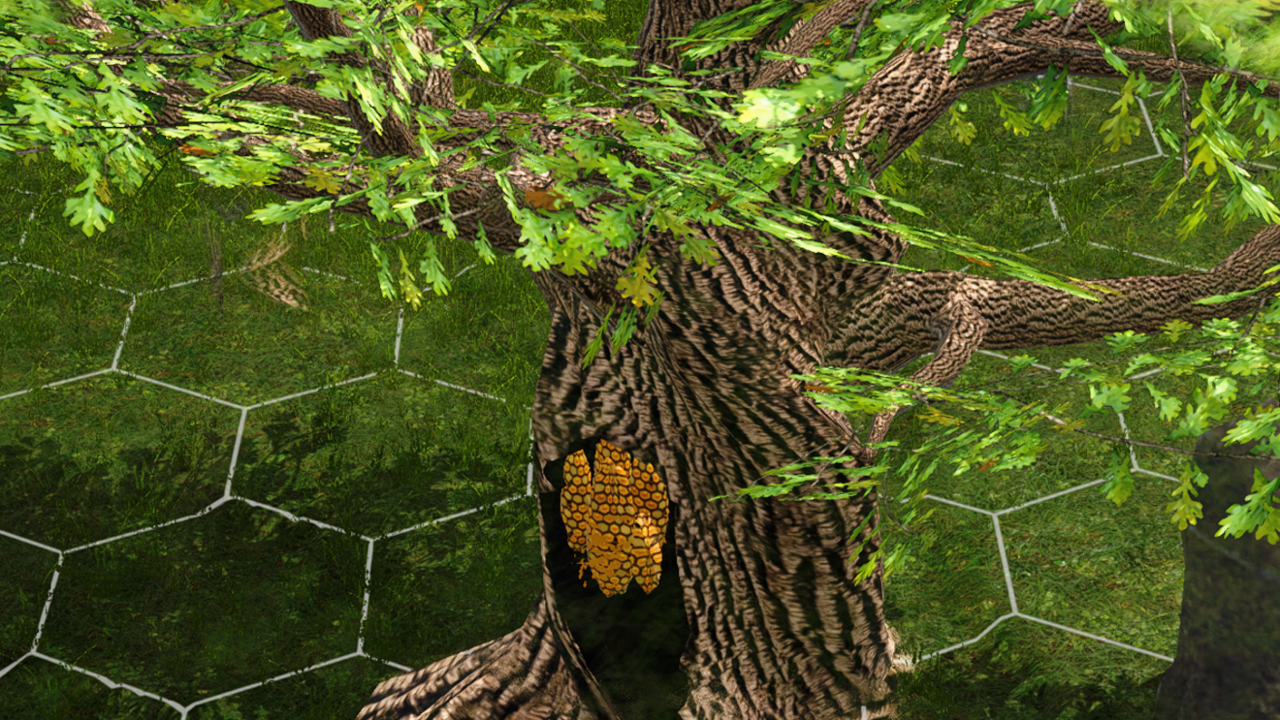
There are new finds as well, such as a hollow oak with a wild honeycomb inside, guarded by its bees, and the Boundary Oak, an old tree that marks the border agreed with a neighbouring clan.
Rival clans with long memories
The rival clans have grown much more alive. They send scouts out to explore, remember what you did to them and why, and judge your word before they agree to anything binding. You can now send a clan a gift to improve relations. Clans demand tribute, form coalitions against a player they fear, march to defend their allies, and fight wars that can end in more ways than one.
When a raid succeeds, it leaves its mark. A razed village burns and then lies in ruins, a sacked one smokes over trampled fields, and the smoke rises out of the fog so you can see it from afar.
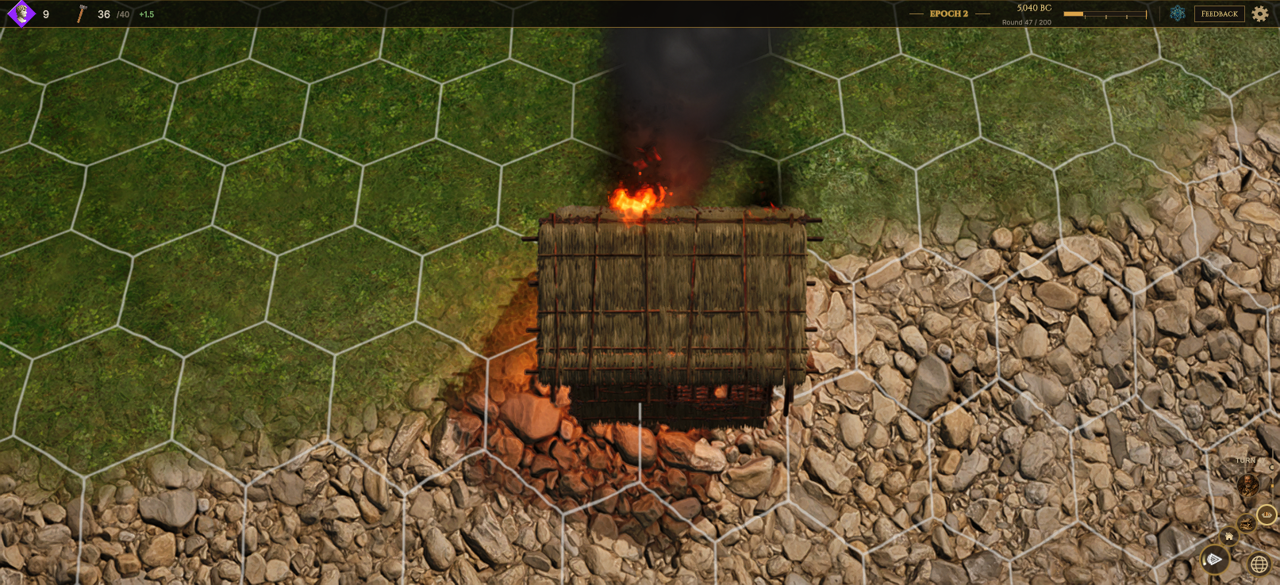
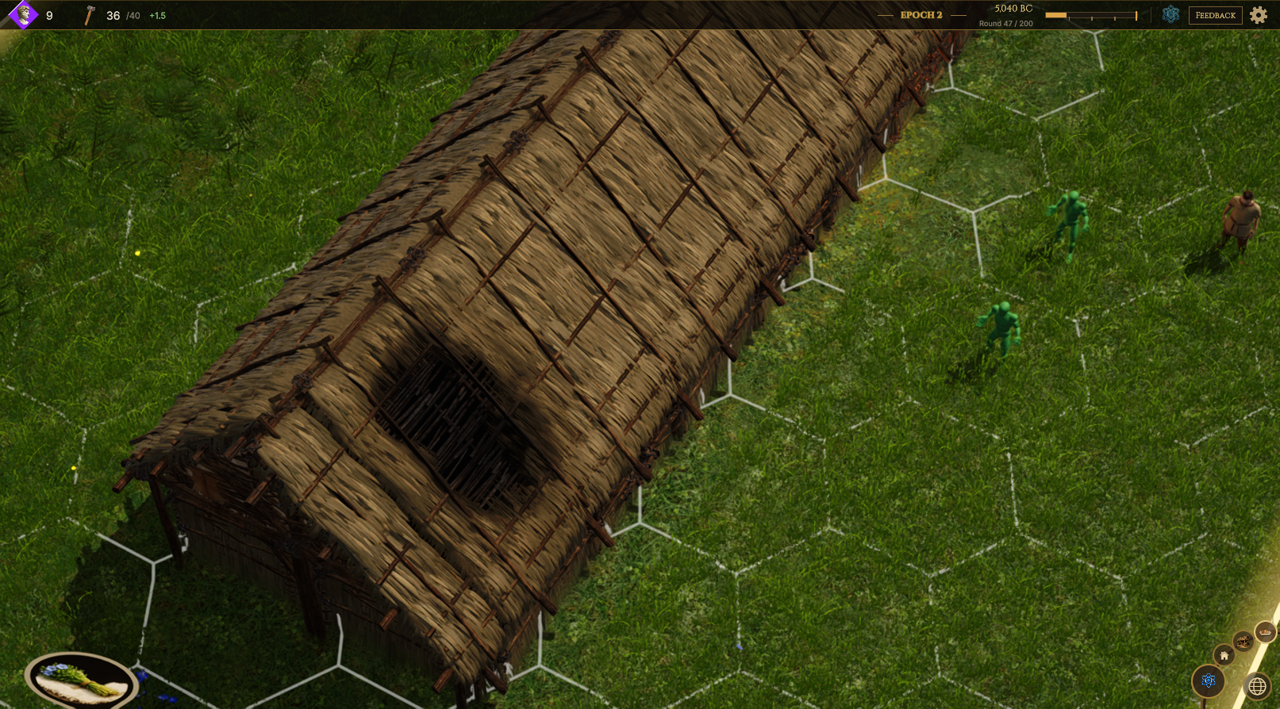
Events got the same attention. A storm rolls in before the roof is fixed for the rites, sparks from the hearth can burn a hole into a thatched roof, and at the Henge of the Age, families walk to the stones with torches.
New faces in the village
Villagers and shamans have their own men and women now, dressed in undyed flax. Veterans wear their rank: a bear pelt for a Veteran, a second for a Champion, and the bear's head for the War Leader.
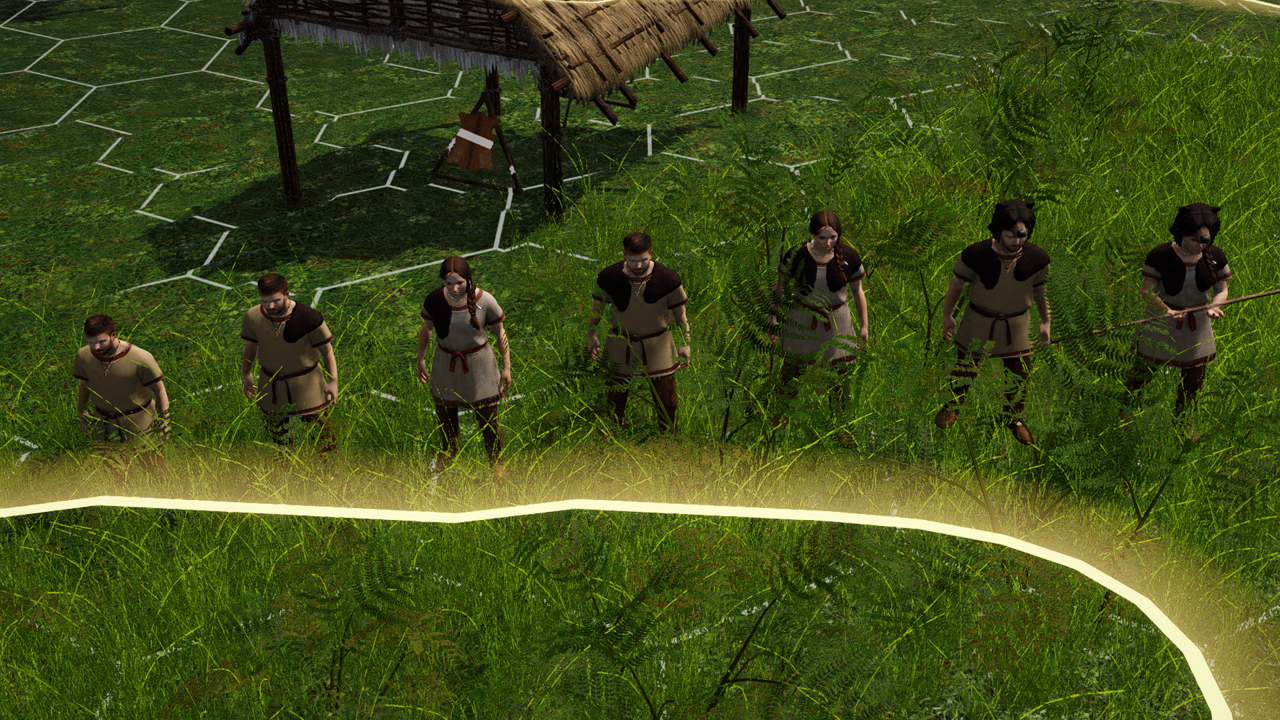
Villagers carry their loads home in pack baskets, and if a bearer falls, a pin shows where the load lies. Naming a new village is now a small ceremony, fishing grounds show a school of fish circling below the surface, and the Ochre Pit is dug into the ground. Production now has a limit: each village can store only as much as its main building holds.
Debugging live
I spent part of these weeks debugging the game while streaming on Twitch, at twitch.tv/onyxaha. The recordings of those streams are on the channel too, if you want to see how the game comes together behind the scenes.
Smaller improvements
- The hex overlays were redesigned: building areas are outlined instead of filled, the grid is quieter, and placement shows a preview of the building and the land it will claim.
- When a tree is chopped down, it falls among its leaves, and a selected woodcutter shows the way to the next tree.
- Before you end the turn, markers in the world point out units that still have nothing to do.
- Controller support is a work in progress.
- Humanity Ascends has a new logo.

That is where things stand. The next update follows in about three weeks.