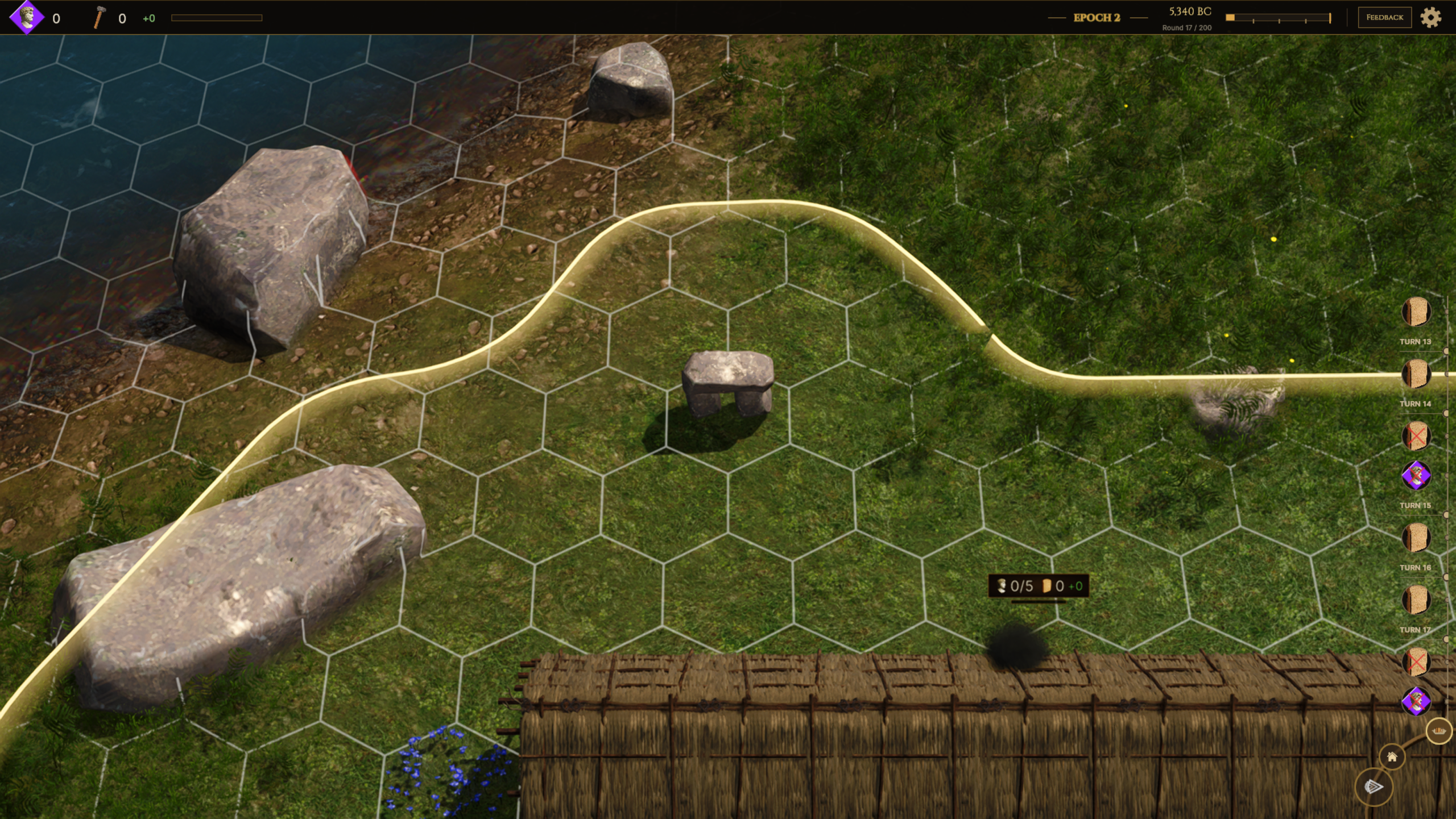
This update has been about giving an Epoch 2 settlement more weight and purpose. I have been building the systems that let a small community defend its home, organise its daily work, and eventually move stones large enough to outlast the people who raised them.
A settlement worth defending
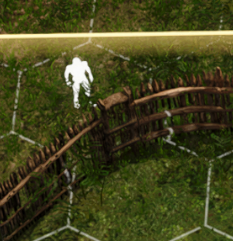
Palisades and gates can now be planned by dragging their route across the landscape. Connected construction plans form continuous walls, respect territory and movement, and meet at cleaner corners and gates. The result is a settlement boundary that feels built into the world instead of placed on top of it.
Combat has also become easier to read before and after a clash. Unit cards now show rank progress and battle range, strategic effects have clearer icons and tooltips, and exhaustion makes the cost of repeated fighting visible. I have also expanded the automated battle decisions behind the scenes, so positioning and fatigue matter more when forces meet.
Work beyond the settlement
Villagers now take on more distinct, persistent jobs. Fishing huts send workers to the shore for multi-round expeditions, foraging and fishing use real delivery routes in their food forecasts, and construction workers begin hammering when they reach a site. Building previews, clearer builder indicators, connected territory requirements, and improved staged construction make expansion more legible from the first plan to the finished structure.
New flint deposits and mines add another reason to look carefully at the landscape. Each deposit supports a single mine, with improved placement and visuals to make this resource feel like a meaningful part of settlement planning.
Raising monuments
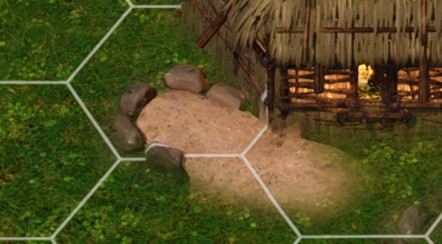
Burial Rites now create ancestor grave mounds, while new research progression opens hunters, settlers, fermentation, timber construction, and their associated actions in a clearer order. I have also added the first shaman research event, giving early settlement knowledge a little more ceremony.
The largest new addition is the first pass on megalith hauling and monument construction. I can now assemble a hauling team, bring a slab onto its sledge, and guide it along visible tracks toward its destination. The work is deliberately slow and physical, with delivery driving each stage of construction rather than a monument appearing at the press of a button.
From survival to settlement
Epoch 1 has received a quieter pass as well. The opening objectives and controls are clearer, newly available interactions reveal more reliably, and Homo erectus now has better running and idle feedback. I have also continued improving the transition from fragile survival into the wider story of humanity's ascent.
Across both epochs, I have refreshed the technology tree, everyday management panels, menus, typography, construction feedback, animal movement, research estimates, and a long list of small visual and interaction fixes. The aim is simple: the pressure of survival should come from the choices in front of you, while the game makes those choices clearer to see.
Next, I will model the five remaining buildings that do not yet have a visual presence in the settlement.